
The *DRAMATIC* History of Gucci
From Bellhop to Billion-Dollar Empire: The Wild, Dramatic History of Gucci
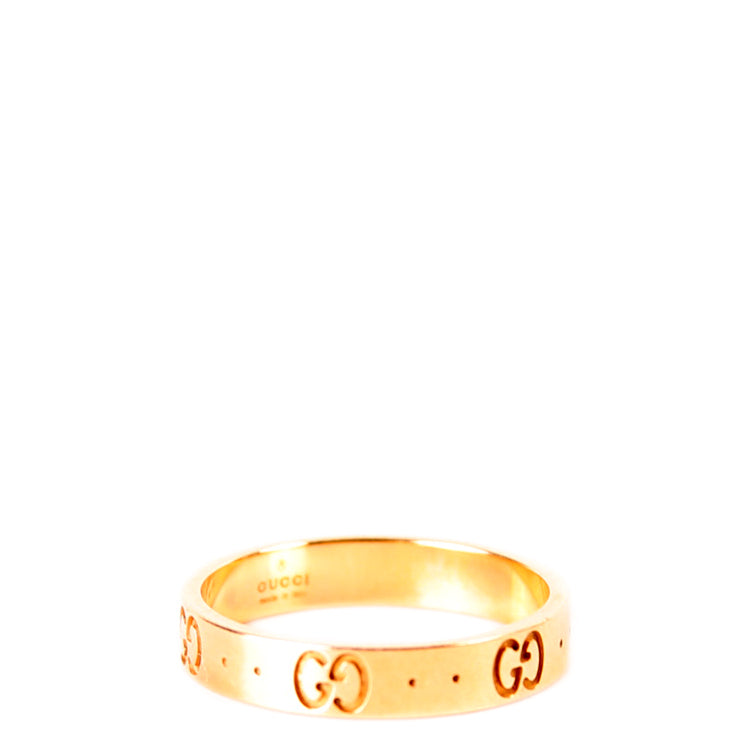
When you think of Gucci today, you probably picture the iconic double-G logo on the bags, belts and sunglasses of Hollywood’s elite. But the story of Gucci isn’t just a tale of fashion—it’s a wild multi-generational saga filled with visionary hustle, wartime ingenuity, backstabbing family feuds, and literally, a high-profile murder.
Buckle up, because the history of fashion’s most provocative powerhouse is truly wilder than fiction!

The Bellhop with a Dream (1921)
As they say, you’ve gotta start somewhere. For Gucci, it started in the elevator of London’s ultra-luxurious Savoy Hotel in the late 1890s when a young Italian immigrant named Guccio Gucci (yes, really) worked there as a bellhop. Day in and day out, he loaded and unloaded the exquisite, heavy leather luggage of wealthy guests like Winston Churchill and Marilyn Monroe. He realized something profound: to the wealthy, luggage wasn't just a container for clothes; it was a status symbol.
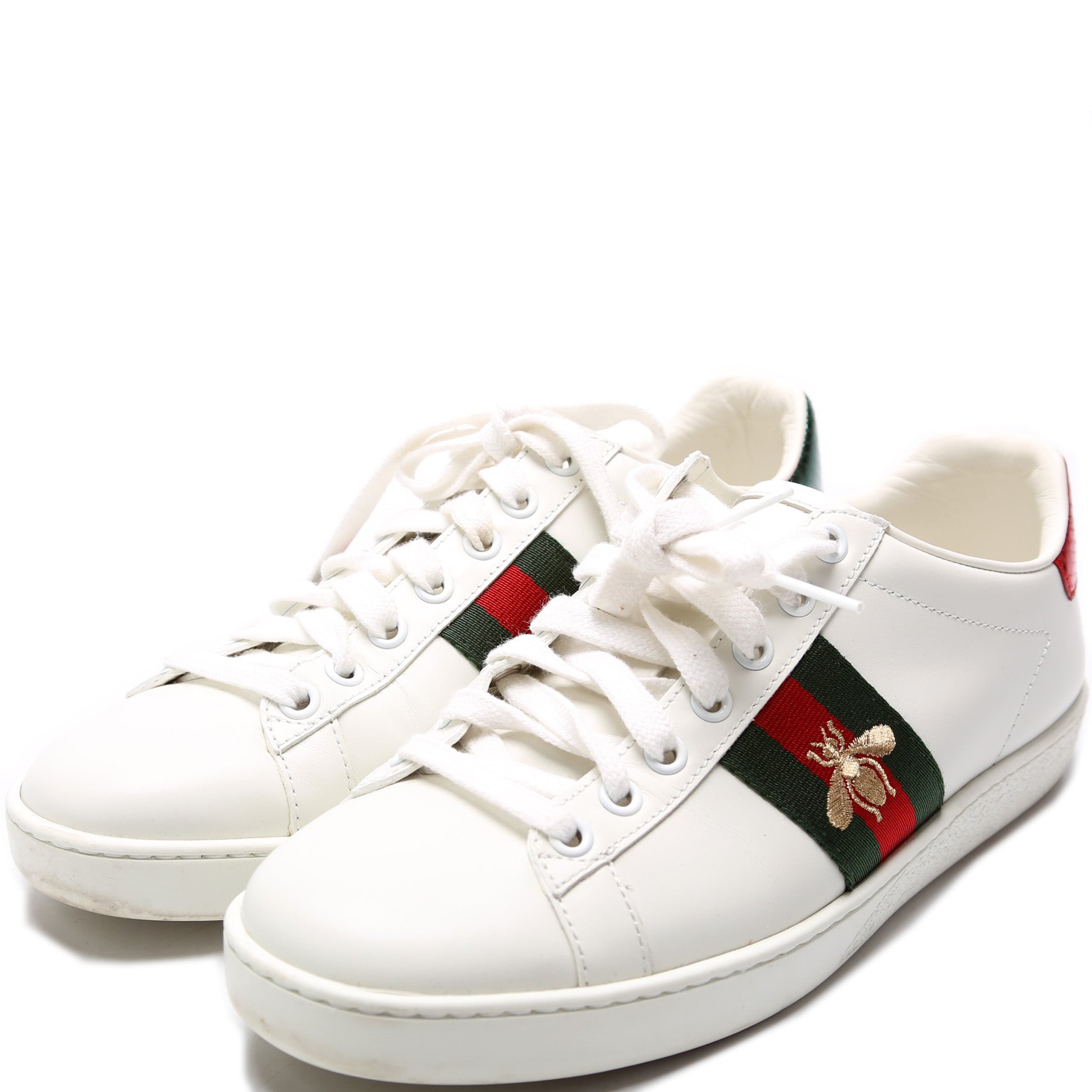
Driven by this insight, Guccio returned home to Florence, Italy. In 1921, he opened a tiny leather goods and luggage shop. Blending fine Italian craftsmanship with the classic English elegance he observed in London, his shop became an instant hit among aristocrats, particularly those looking for high-end riding gear (which is why the brand’s horsebit motif and green-red-green web stripe still exist today).
Wartime Scarcity Breeds Innovation (1940s)
In the 1930s and 40s, things got complicated when Dictator Benito Mussolini’s regime and the subsequent outbreak of World War II led to severe trade embargoes. Leather became incredibly scarce. For a leather goods brand, this could have been a death sentence, but Guccio’s sons—Aldo, Vasco, and Rodolfo—had joined the business and refused to let it fail. Instead of giving up, they got creative. They experimented with alternative materials like hemp, linen, and jute.
Their greatest stroke of genius came in 1947: bamboo. By heating and curving Japanese bamboo cane, they created a unique, patented handle for a pigskin handbag. The "Bamboo Bag" was born, instantly turning a resource shortage into an iconic international fashion sensation worn by Princess Diana and Jacqueline Kennedy.

The Glamour Era and the Family Feud
By the 1950s and 60s, Gucci was the epitome of "Jet Set" glamour. They opened their first New York store in 1953 (just 15 days before Guccio Gucci passed away). The brand created the "Flora" scarf for Grace Kelly and the "Jackie" bag for Jackie O.
But as the brand grew, so did the internal toxicity. Guccio had divided his shares among his sons, setting off decades of vicious family infighting. Corporate board meetings literally devolved into fistfights. Aldo’s own son, Paolo, once snitched on his father for tax evasion out of revenge, leading to 81-year-old Aldo serving time in an American prison. By the late 1980s, the family drama had severely diluted the brand's prestige, leaving Gucci near bankruptcy.
The Deadly 90s and The Tom Ford Resurrection
The drama peaked in 1995 when Maurizio Gucci (Rodolfo’s son, who had wrestled control of the company from his relatives) was shot and killed on the steps of his Milan office. His ex-wife, Patrizia Reggiani (famously dubbed the "Black Widow"), was later convicted of hiring the hitman—a story immortalized in the movie House of Gucci.
Yet, amidst the literal bloodshed, Gucci experienced a miraculous creative rebirth when in 1994, a relatively unknown Texan designer named Tom Ford was appointed Creative Director. Ford completely threw out the stuffy, traditional aesthetic and injected the brand with pure, unadulterated sex appeal. Satin shirts, velvet trousers, and provocative marketing campaigns put Gucci back at the dead center of pop culture.

Modern Day: Maximalism and Beyond
After Tom Ford departed, the brand stabilized but eventually needed another spark. That came in 2015 with Alessandro Michele. He pivoted Gucci away from Tom Ford’s overt sexuality and into a world of eccentric, gender-fluid, "geek-chic" maximalism. Think clashing bright patterns, embroidered animals, and renaissance romanticism.
Today, under Creative Director Demna, Gucci is leaning back into its Tom Ford-era sensuality with a bold vision merging avant-garde streetwear-informed edge with Gucci's deep Italian heritage.
Ultimately, the history of Gucci proves that the brand's greatest asset isn't just its logo; it's an ability to pivot and reinvent itself through the chaos. From an English elevator to the peak of Italian high fashion, Gucci remains entirely unforgettable.
Carry On,
Kristen